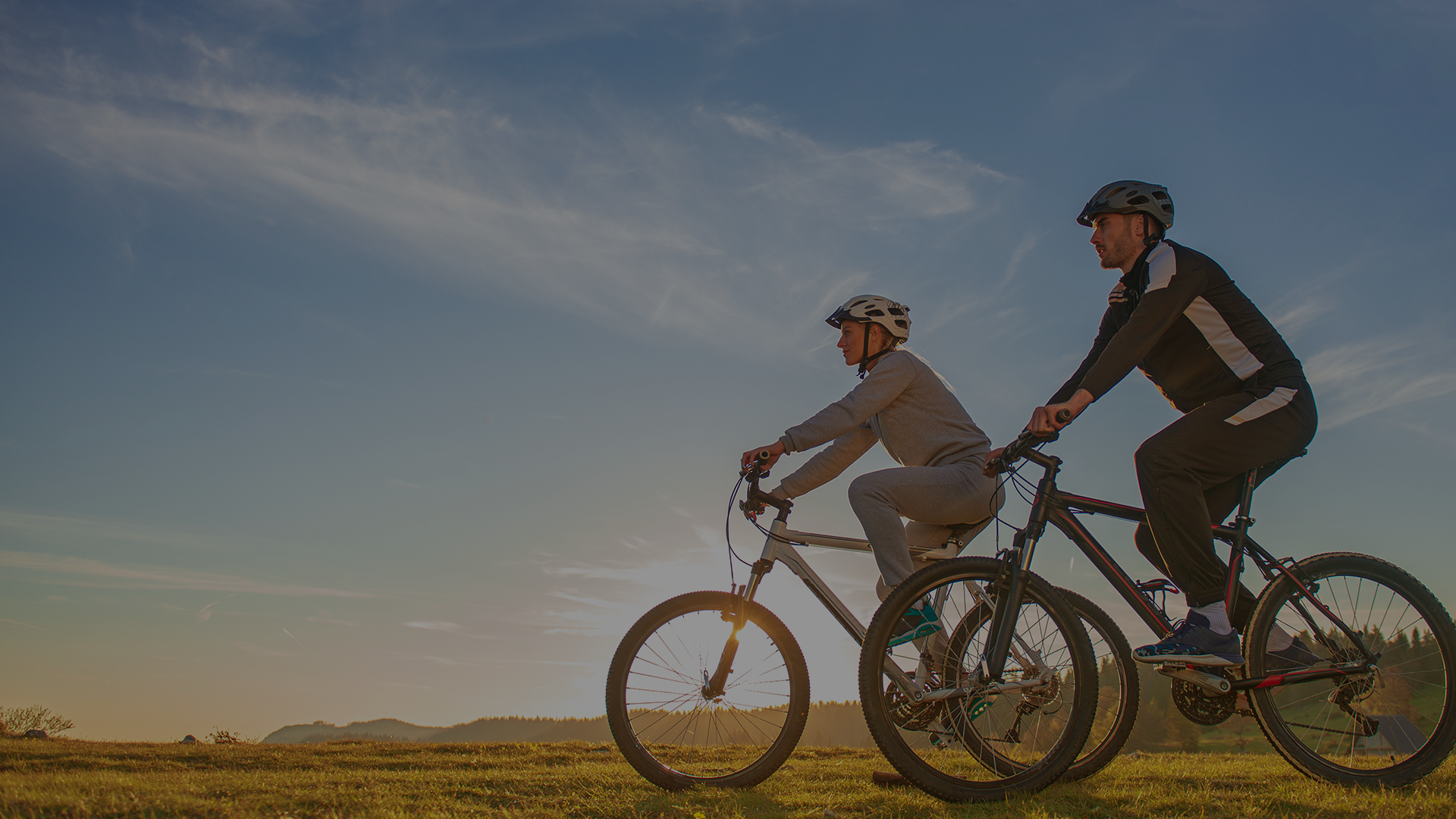
Modern cycling era
Unlocking the freedom of two wheels
Beyond simple transportation, the bicycle represents a mechanical extension of human effort, transforming muscle power into efficient motion while reshaping urban landscapes and personal fitness routines globally.

Performance road bikes
Aerodynamic carbon frames and drop handlebars maximize speed on paved surfaces.

Rugged mountain bikes
Suspension systems and wide tires conquer rough, technical off-road trails.

Versatile gravel bikes
Relaxed geometry allows comfortable riding on both tarmac and dirt paths.
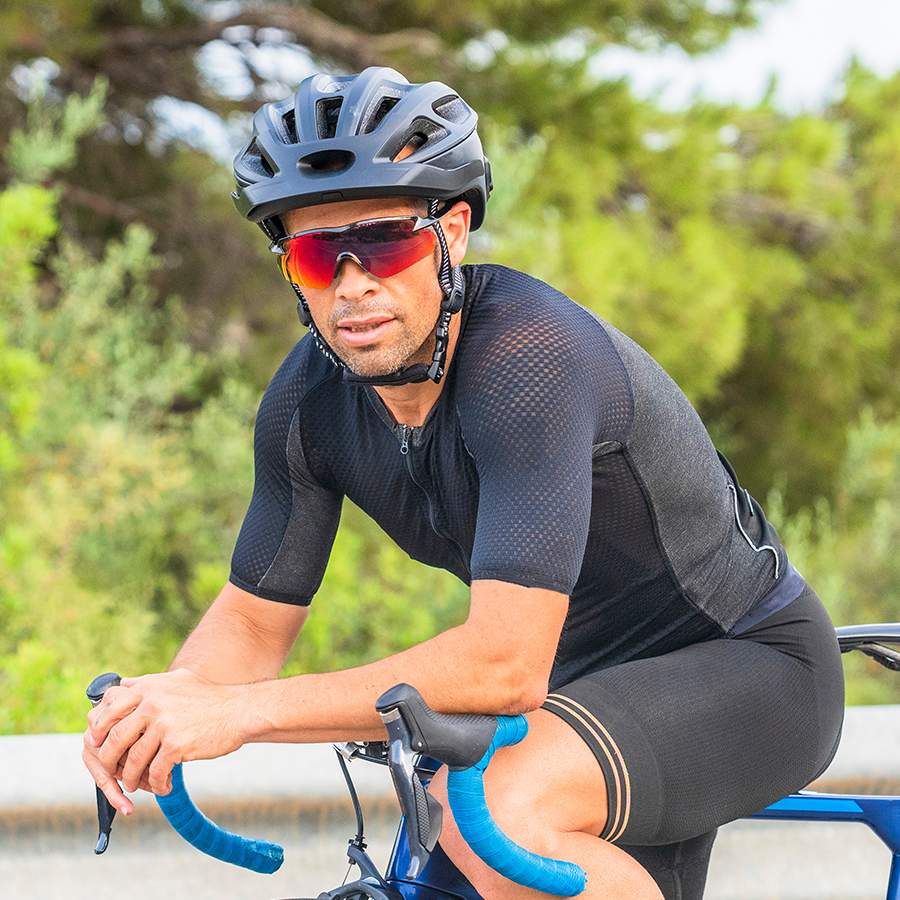
Essential gear setup
Selecting equipment for safety and comfort
Proper protection begins with a well-fitted helmet featuring impact absorption technology. High-visibility clothing ensures driver awareness, while padded shorts significantly reduce friction and saddle sores during long-distance rides, enhancing overall endurance and enjoyment on the road.
Beyond apparel, illumination systems with high lumens are crucial for dawn or dusk riding. A comprehensive repair kit, including a multi-tool and spare tubes, allows cyclists to handle mechanical issues autonomously without interrupting their journey or relying on assistance.
The thrill of competitive racing events
From local criteriums to international grand tours, competitive cycling tests the limits of human endurance through tactical positioning, energy conservation, and explosive power output.

Grand tour dynamics immersives
Riders navigate three-week stages, battling steep mountain ascents and intense sprint finishes within a fast-moving peloton.

Velodrome track cycling
Fixed-gear bikes reach immense speeds on banked oval tracks, requiring immense explosive leg strength and aerodynamics.

Technical mountain racing
Athletes traverse natural obstacles and steep descents, demanding precise handling and rapid reflex responses on trails.
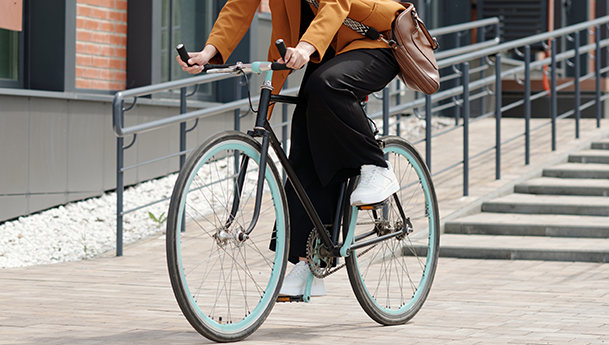
Transforming cities through daily commuting
Swapping cars for bikes during rush hour drastically reduces carbon emissions while bypassing gridlock, offering a reliable and stress-free alternative for daily transportation needs.

Infrastructure and urban planning integration
Protected bike lanes and dedicated parking hubs encourage widespread adoption, creating safer environments where cyclists and motorists coexist efficiently within the metropolitan grid.
Mechanical care
Routine maintenance
Preserving performance requires regular attention to the drivetrain and moving parts. A clean chain ensures smooth shifting, while checking tire pressure before every ride prevents pinch flats and improves rolling resistance. Inspecting brake pads for wear guarantees stopping power remains consistent and safe.
Workshop tools
Advanced repair techniques and tuning
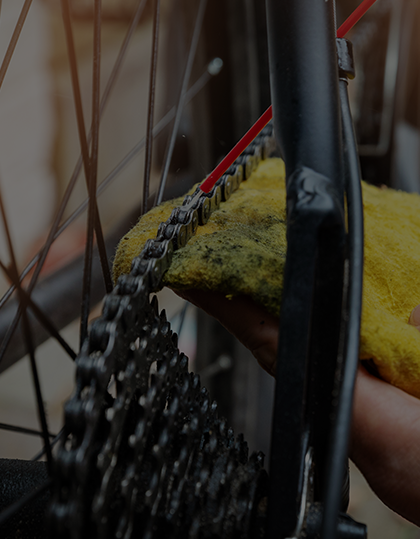
Removing built-up grime from the cassette extends component lifespan significantly.
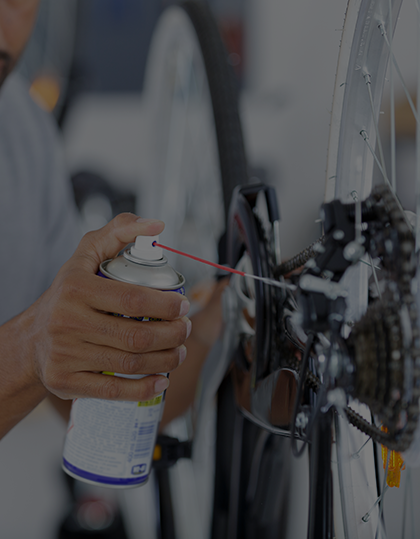
Applying quality oil reduces friction and ensures silent pedal operation.
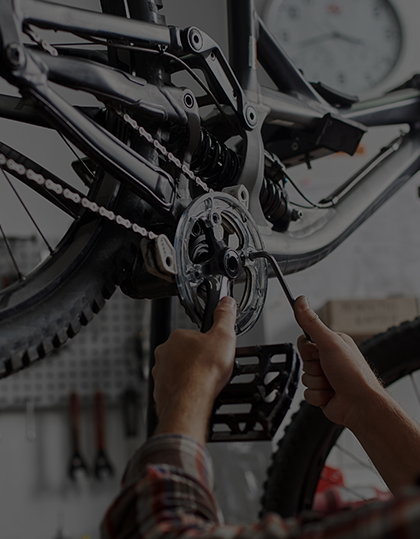
Hanging the bike indoors prevents rust and protects hydraulic lines.
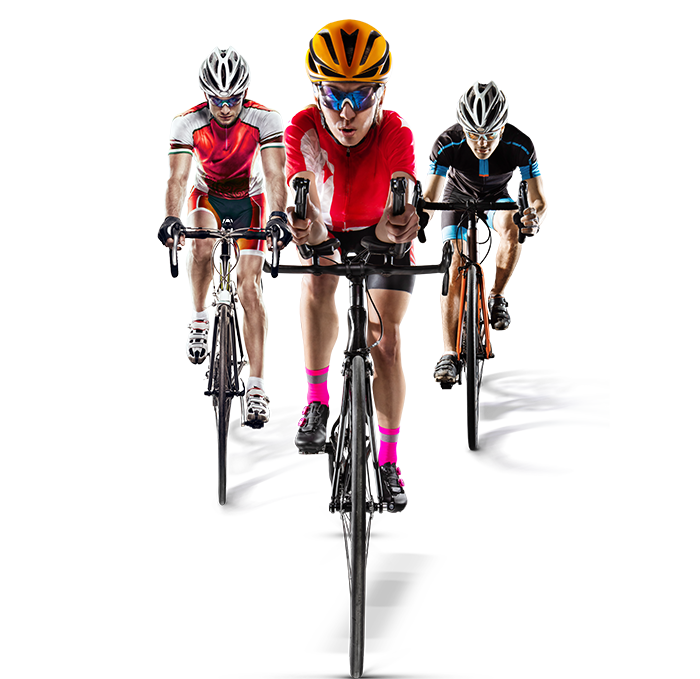
Global community
The social fabric of cycling groups
Riding in groups fosters a unique sense of camaraderie, where shared effort creates lasting bonds. Local clubs organize weekly meetups that cater to various skill levels, allowing novices to learn drafting techniques from experienced riders while exploring new routes and enjoying the collective momentum.